


Complete Guide to Flying with Surfboards in Indonesia: Airline Charges, Policies and Shipping Tips (2026)

Planning a surf trip around Indonesia? Hold your horses. Before you start plotting your next surf adventure, you need to make sure you won’t be stung for surfboard baggage fees.
Because while travelling with boards is part of the adventure, flying with surfboards in Indonesia isn’t always straightforward.
Airline policies vary, excess baggage fees can add up quickly and some domestic routes have strict size limits (no more sneaking an extra board under your clothing in the boardbag… they’ll check!).
I learned this the hard way. I once paid around 6,000,000 IDR (roughly $380–$400 USD) just to bring three boards over to Lombok for a weekend trip. No warning, no workaround, just straight excess baggage fees at the airport. The worst part? I didn’t even end up surfing. Looking back, I genuinely would have been better off just buying a board there.
The good news is that thousands of surfers travel through Indonesia with boards every year. With a bit of planning (and the right airline), it’s manageable and affordable.
Here’s what you need to know about flying with surfboards in Indonesia in 2026, including airline policies, typical fees and how to protect your boards while travelling.
Why surfboard travel in Indonesia can be tricky
Indonesia is made up of more than 17,000 islands, and many surf destinations require domestic flights after arriving in Bali. Popular surf regions such as:
- Bali
- Lombok
- Java
- Sumatra
- The Mentawai Islands
- The Telos
- The Banyaks
- Sumbawa
- Aceh
- Sumba
These often involve multiple flights, ferries or small aircraft.
Because of this, surfboards may be loaded and unloaded several times during a trip. Airline policies can also vary significantly depending on whether you’re flying internationally or domestically.
Understanding the rules before you travel can help avoid surprises at the airport.
Typical surfboard airline policies
Most airlines classify surfboards as special sporting equipment rather than standard baggage. Policies generally depend on three factors:
- Boardbag size
- Total weight
- Number of boards in the bag
Some airlines allow surfboards as part of your checked baggage allowance, while others charge additional sporting equipment fees. Typical guidelines include:
- Maximum boardbag length of around 2.7–3 metres
- Weight limits between 23–32 kg
- Restrictions on the number of boards per bag
It hasn’t happened to us, but note that if your boardbag exceeds the airline’s limits, it may be refused or charged as oversized cargo. Talk about a bummer!
International flights to Indonesia
Most surfers flying to Indonesia arrive through Ngurah Rai International Airport (DPS) in Bali.
International airlines are generally more accustomed to surfboard baggage, and policies are often more flexible than domestic carriers.
Many airlines allow surfboards to be checked in as sporting equipment, either:
- Included in standard baggage allowance
- Charged as oversized luggage
- Subject to fixed surfboard transport fees
- However, the exact policy varies widely between airlines
Before booking, it’s worth checking:
- Maximum boardbag length
- Number of boards allowed
- Extra fees for oversized equipment
These details can make a big difference to the total cost of your trip.
Side note for longboarders: you need to be extra careful with your board size and coffin setup. If your bag is too long or too heavy, you risk being forced to leave your board behind or pay a serious premium at the airport.
If you’re travelling with bigger boards, make sure you check out our guide to the best international airlines for longboarders.
Learn more about flying to Bali with a surfboard on international flights.
Surfboard baggage fees (general expectations)
Exact charges vary by airline and route, but surfers travelling through Indonesia often encounter the following fee ranges. International flights may charge:
- Included in baggage allowance
- If not, $50–$150 USD per boardbag
- Oversized luggage fees (depending on airline)
Domestic flights are where it gets tricky. Most airlines charge per board (not per boardbag), and fees typically range from $30–$100 USD per board. Additional overweight fees may also apply if your bag exceeds limits.
Because policies change regularly, it’s always best to confirm the rules with your airline before departure.
Ready to Surf in Bali? Secure Your Spot Now!
Domestic flights with surfboards 2026
Domestic flights within Indonesia are often where surfers encounter the most challenges.
There’s nothing worse than waiting in an infamously long Indonesian airport line, only to be told that your boards aren’t coming with you OR you’ll need to pay extra.
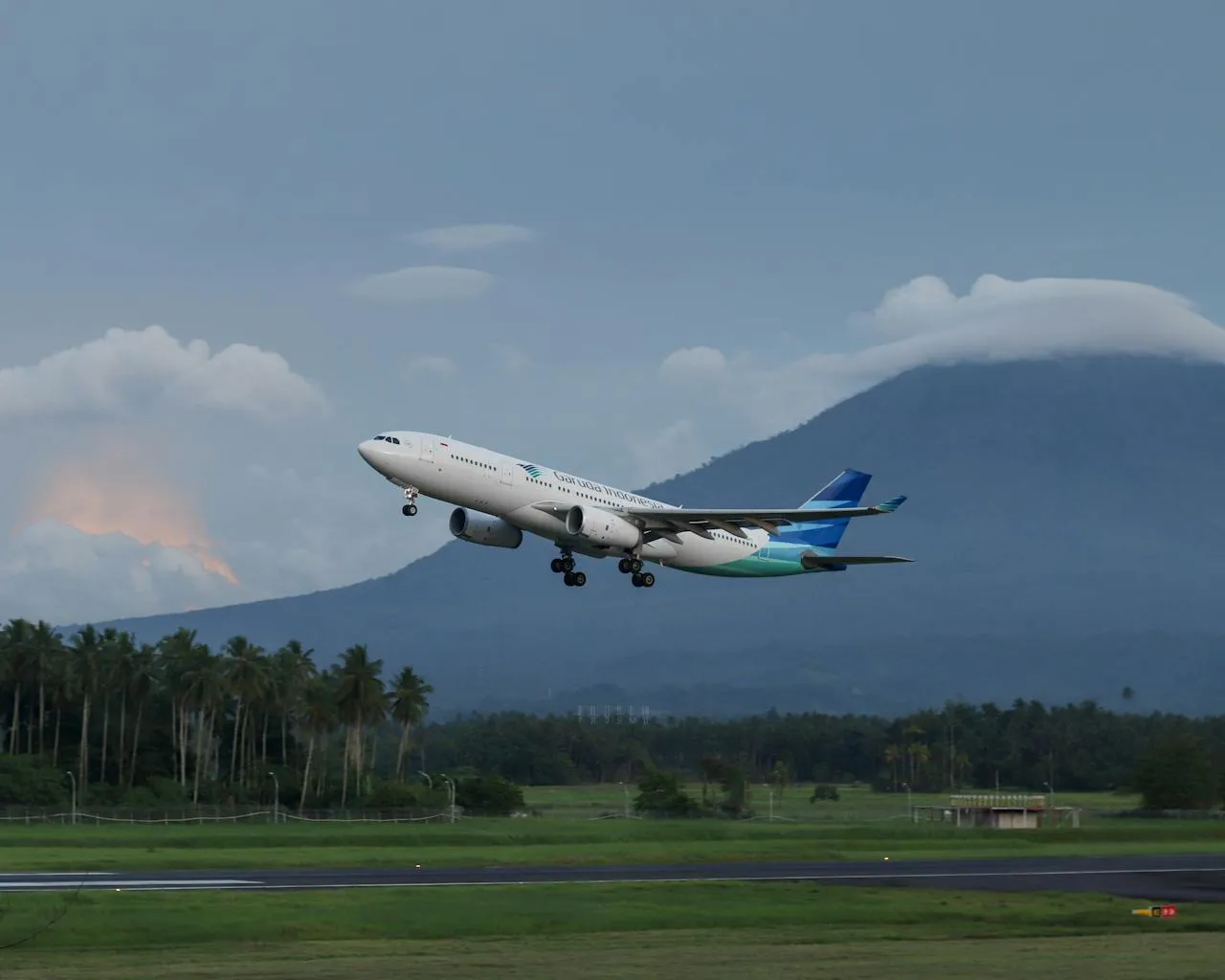
Some domestic airlines have stricter size and weight limits. And smaller aircraft may not be able to accommodate longboard bags. In our opinion, Garuda is by far the best for flying with surfboards. The downside is that it’s rarely the cheapest option regarding ticket price.
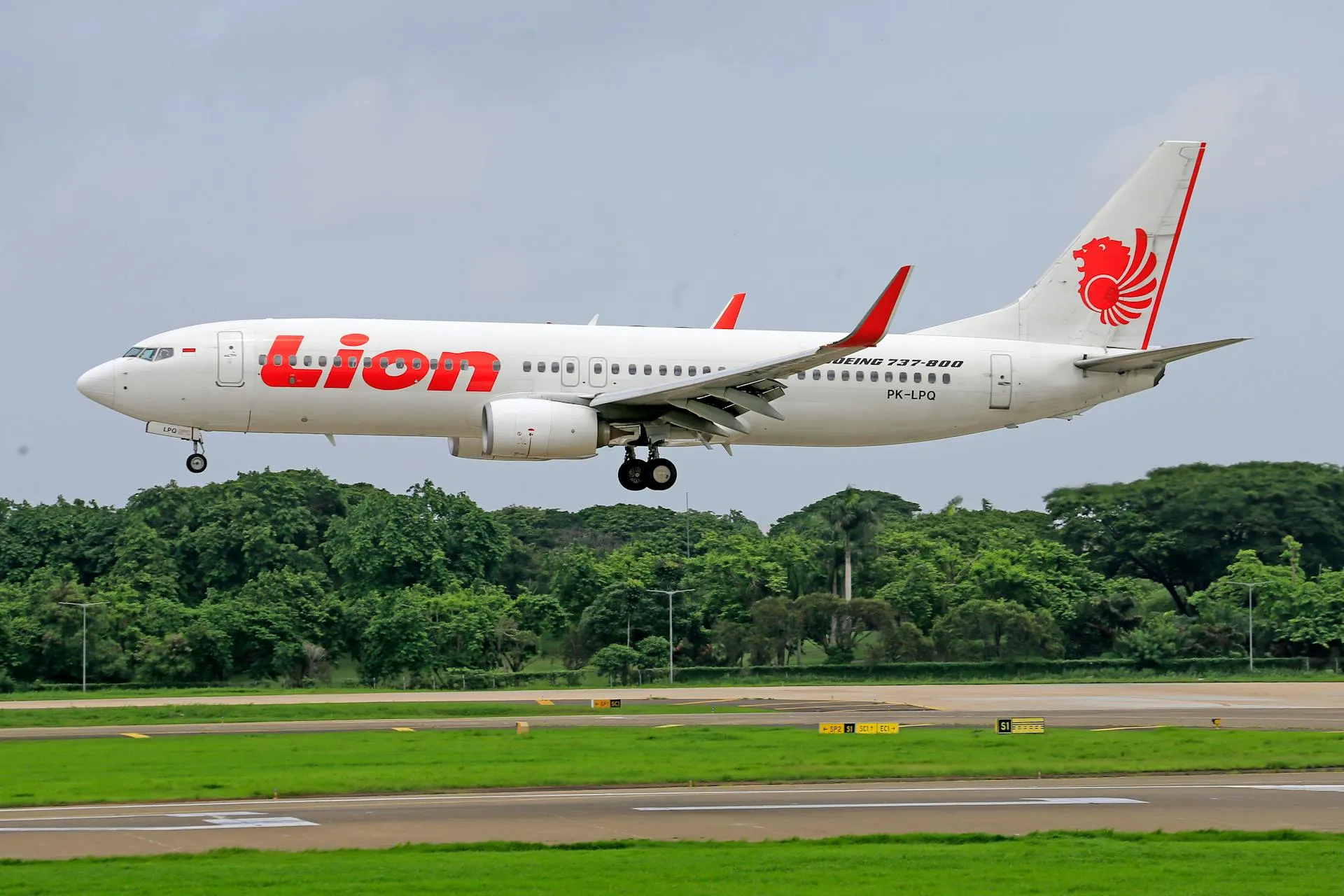
Citilink, Wings, Lion Air, Batik and Super Air Jet will all sting you for surfboard bags. And while it was once possible to only pay per boardbag, airlines now increasingly open boardbags at check-in and charge surfers for each board inside.
Common domestic airlines used by surfers include:
Garuda Indonesia
- Included: Yes, within checked baggage allowance
- Max weight: 23kg
- Max length: approx. 300cm (aircraft dependent)
Citilink
- Included: Sometimes, depends on fare/baggage purchased
- Max weight: 23kg
- Max length: approx. 227cm (ATR routes shorter)
Lion Air
- Included: No (approx. IDR 200,000 per board, per flight)
- Max weight: 23kg
- Max length: approx. 230cm
Batik Air
- Included: No (special baggage fee applies, approx. IDR 200,000–300,000)
- Max weight: 23kg
- Max length: approx. 230cm
Wings Air
- Included: No (approx. IDR 500,000-1,000,000 per board, per flight)
- Max weight: 23kg
- Max length: approx. 170cm on ATR aircraft
Side note: we strongly recommend avoiding Wings Air if you’re travelling with surfboards. Fees are now usually around IDR 1,000,000 per board, per way, and if your flight includes a layover, you’ll likely be charged again for each leg of the journey.
Super Air Jet
- Included: No (approx. IDR 200,000 per board, per flight)
- Max weight: 23kg
- Max length: approx. 230cm
Sriwijaya Air
- Included: Usually, no (oversize fee may apply)
- Max weight: 23kg
- Max length: approx. 230cm
NAM Air
- Included: Usually, no (oversize fee may apply)
- Max weight: 23kg
- Max length: approx. 230cm
Pelita Air
- Included: Unclear/confirm before booking
- Max weight: 20kg–23kg
- Max length: aircraft dependent
TransNusa
- Included: Unclear/confirm before booking
- Max weight: 20kg
- Max length: Aircraft dependent
Indonesia AirAsia
- Included: No (sports equipment fee applies)
- Max weight: 32kg
- Max length: Approx. 277cm
Side note: if your domestic route includes a stopover, don’t assume you’ll only pay once. Most airlines treat each segment as a separate flight, meaning surfboard fees can stack quickly and you may be charged again for every leg of the journey.
Packing surfboards for flights
Protecting your boards properly can make the difference between arriving ready to surf or dealing with repairs.
When packing boards for airline travel, most surfers use a padded surfboard travel bag designed for multiple boards. Basic packing tips include:
- Use bubble wrap or foam around rails
- Remove fins before packing
- Use board socks or cloth covers
- Place clothing or towels between boards
- Pad the nose and tail carefully
Many surfers also travel with two or three boards per bag to spread the risk in case one is damaged.
Extra padding helps protect boards from overzealous baggage handlers who love showing off their strength by vaulting your surfboard onto the belt or trailer. Here are more packing tips for your first Bali surf trip.
FAQ: Flying with surfboards in Indonesia
Q. Can I bring surfboards on flights to Indonesia?
Of course! Most international airlines allow surfboards as sporting equipment, though fees and size limits vary.
Q. How much does it cost to fly with surfboards?
Fees typically range from $50 to $150 USD on international flights and $30 to $100 USD on domestic Indonesian flights, depending on the airline. For most flights, boardbags are included within your checked luggage allowance.
Q. Will airlines ask how many boards are in your bag?
Yep, almost always. Most surfers will say two, even if they’ve squeezed in three or four, and hope for the best. Sometimes you get away with it, sometimes you don’t.
Q. Will airline staff check inside my boardbag?
Usually not. But if your boardbag looks oversized or suspiciously full, there’s a good chance they’ll open it up at check-in.
Q. Do I pay for surfboard fees with cash or card?
It used to be mostly cash at the airport, but many airlines are now shifting toward card payments only. Policies vary, so it’s best to be prepared for both just in case.
Q. How many surfboards can I bring in one boardbag?
Most airlines allow two to three boards per bag, as long as the total weight stays within baggage limits.
Q. What is the maximum surfboard length allowed on flights?
Many airlines accept boardbags up to around 2.7–3 metres, but domestic flights may have stricter limits. Make sure you hit them up before you fly. It sucks having to unexpectedly pay extra when you’re already on a tight budget.
Q. Are surfboards included in baggage allowance?
Some airlines include them as part of checked baggage, while others charge separate sporting equipment fees.
Q. Is it better to ship surfboards instead of flying with them?
Shipping can be useful for long trips or large quivers, but it’s often more expensive and slower than flying with boards.
Q. What are the best tips for travelling with surfboards in Indonesia?
Experienced travelling surfers often recommend a few simple strategies. Book flights with larger international airlines when possible. Check boardbag length limits before buying tickets Use durable multi-board travel bags. Arriving early at the airport also helps when travelling with oversized baggage. As does snagging a trolley when you arrive, provided your boardbag doesn’t have wheels.
Q. Should I check surfboard rules for connecting domestic flights?
Yep. Domestic airlines in Indonesia often have stricter size limits, and some smaller aircraft cannot accommodate long boardbags. It’s best to confirm surfboard policies for every leg of your journey.
Final words
Indonesia is an elite surf destination. The waves, the people, the food!
We love every part of it. But flying with surfboards still sucks. The key is avoiding unnecessary fees when travelling with a boardbag. Save this guide and check it before you book.
Once the logistics are sorted, you can focus on what matters: scoring epic waves across Indonesia’s thousands of islands!
More blogs you might like

FAQs
Find answers to your last-minute questions about your upcoming surf adventure with us.
Our packages include accommodation, daily surf lessons, and access to all camp facilities. We also provide surf gear for your convenience. Additional activities can be booked separately.
Travel insurance is highly recommended to cover any unexpected events. It can protect you against cancellations, medical emergencies, and lost belongings. Please check with your provider for specific coverage.
Booking is simple! Visit our Packages & Prices page to select your desired package. You can complete your reservation online or contact us for assistance.
Kala Surf Camp is located in the heart of Bali, close to the best surf spots. Our camp offers a peaceful environment while being just a short distance from vibrant local culture. You'll enjoy easy access to both surf and relaxation.
Yes, date changes can be made depending on availability. Please contact our support team as soon as possible to discuss your options. We aim to accommodate your needs whenever we can.