


Surfing Bali’s Airport Reefs: Your Ultimate Guide

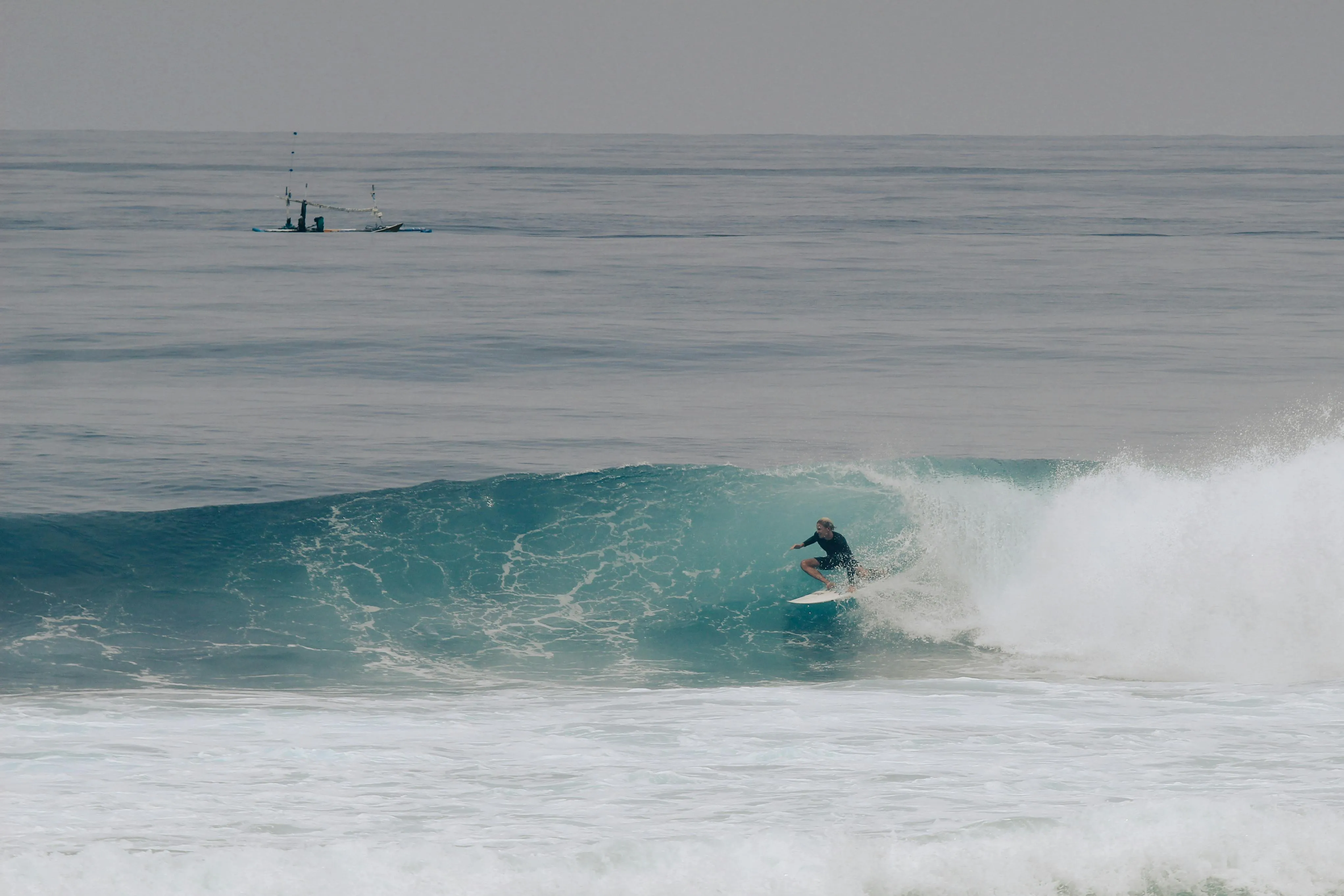
Surfing next to an international airport sounds like a novelty. Loud, busy, maybe even distracting. But Bali's Airport Reefs are anything but a gimmick.
Sitting just offshore from Ngurah Rai International Airport, these reef breaks form part of the wider Kuta reef system and light up when the rest of the coastline is struggling. While many surfers focus on Kuta Beach surf or nearby beach breaks, those who know the area well keep a close eye on the airport zone... especially during solid swells.
This stretch of reef is raw, powerful and technical.
It's also one of the more surreal places you'll ever surf. Jets pass low overhead. Sets stack quickly. And once you're committed to a wave, you’re the one who’ll feel like you’re flying!
Airport Reefs aren't for everyone. But for the right surfer, on the right day, they're unforgettable. We spoke with the crew at Kala Surf about these epic waves.
The waves at Bali's Airport Reefs
Airport Reefs aren't a single break. They're a cluster of waves breaking over coral structures that are a short boat ride from land.
Each section responds slightly differently to swell, tide and wind, which is why experienced surfers often check more than one Kuta reef surf report before heading out. Not sure how to read a forecast? We’ve got you.
Airport Lefts
- Airport Lefts is the most recognised wave in the area
- On a clean south or southwest swell, they produce long, fast left-handers that run down the reef
- The wave likes mid-to-low tide…
- That said, the more water on the reef, the safer it is to surf
- Takeoffs can be critical and the wave tends to lock you in
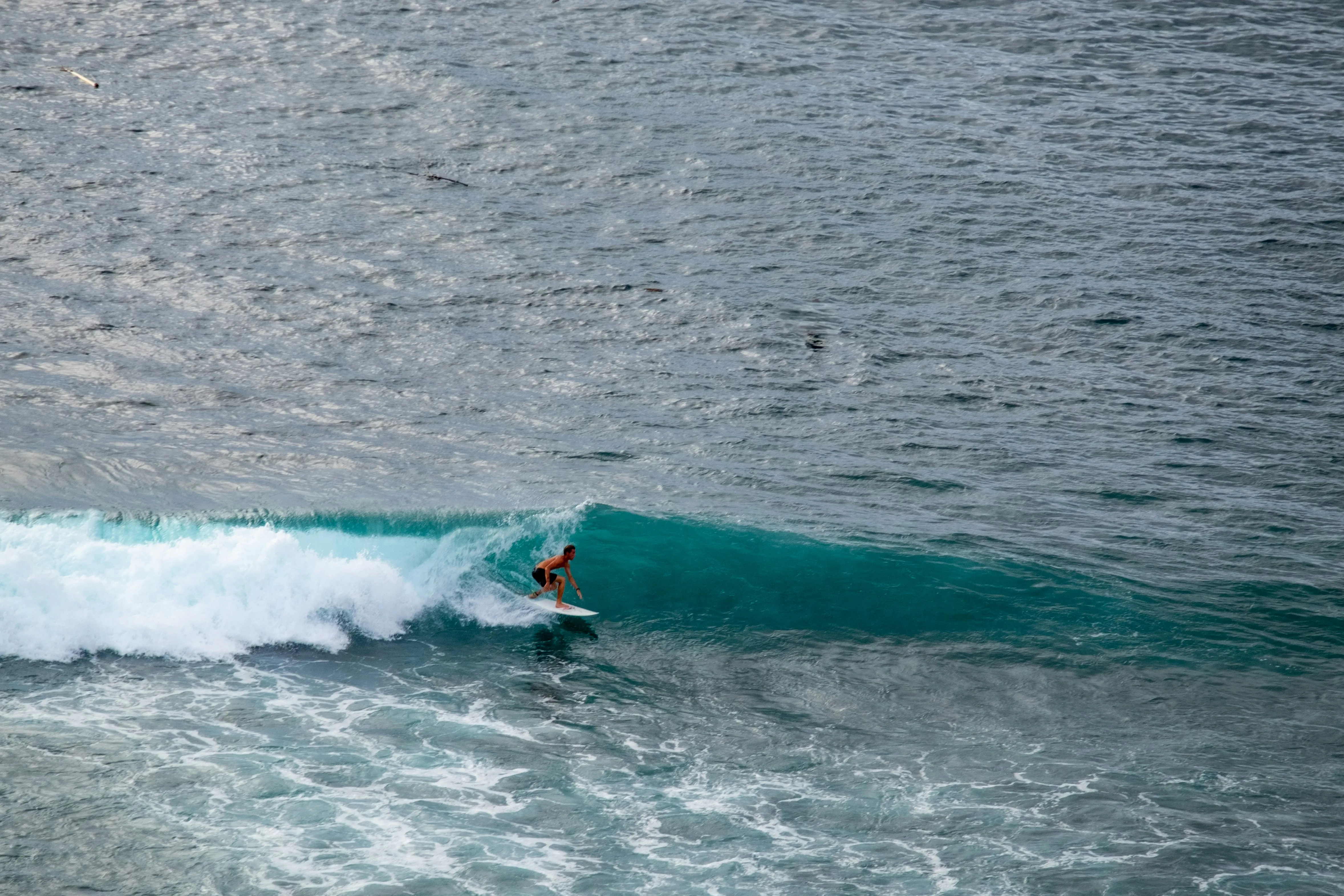
This is a classic reef wave... fast walls, occasional barrel sections, little room for hesitation. It's best suited to surfers who're comfortable reading reef waves and committing early.
Side note: Airport Lefts often attracts surf schools coming over from the Kuta and Canggu areas. As a result, you’ll usually find more beginner surfers here compared to Airport Rights.
Airport Rights
- Airport Rights Bali offers a different challenge
- It’s more truncated, steeper and more technical
- In short… it’s a wave that demands quick reactions and precise positioning
- Many surfers who frequent the area quietly prefer Airport Rights
- The rides may be shorter, but the intensity's higher and the payoff is bigger
When people talk about airport rights firing, they're usually referring to punchy take-offs, hollow sections and a lineup that stays relatively controlled compared to other famous Bali reefs.
Toro Toro
- Toro Toro sits inside Jimbaran Bay, closer to shore than Airport Rights
- It's the most beginner-friendly wave in the Airport Reefs zone... though "beginner-friendly" is relative here
- The wave has a single main peak that breaks both left and right
- The right-hander is the star... long, mellow walls that run at a predictable pace
- It's often called "the perfect intermediate wave" and for good reason
This is where intermediate surfers come to dial in their fundamentals. The takeoff is moderately steep, but once you're around that first section, the wave opens up into clean walls that seem to run forever, perfect for working on cutbacks and rail work without racing a closeout.
Outer reef sections
On bigger swells, the outer sections of Kuta Reef begin to break further offshore. These waves don't run every day, but when they do, they offer larger faces and longer rides.
They're more exposed and less forgiving. And they require strong paddling and experience navigating deep-water reef systems. This is where local knowledge and a solid Bali surf coach or guide really matter.
What else do you need to know about surfing Airport Reefs?
Understanding the waves is only half the equation. Surfing Airport Reefs comes with logistical and environmental factors that can make or break a session.
Getting there
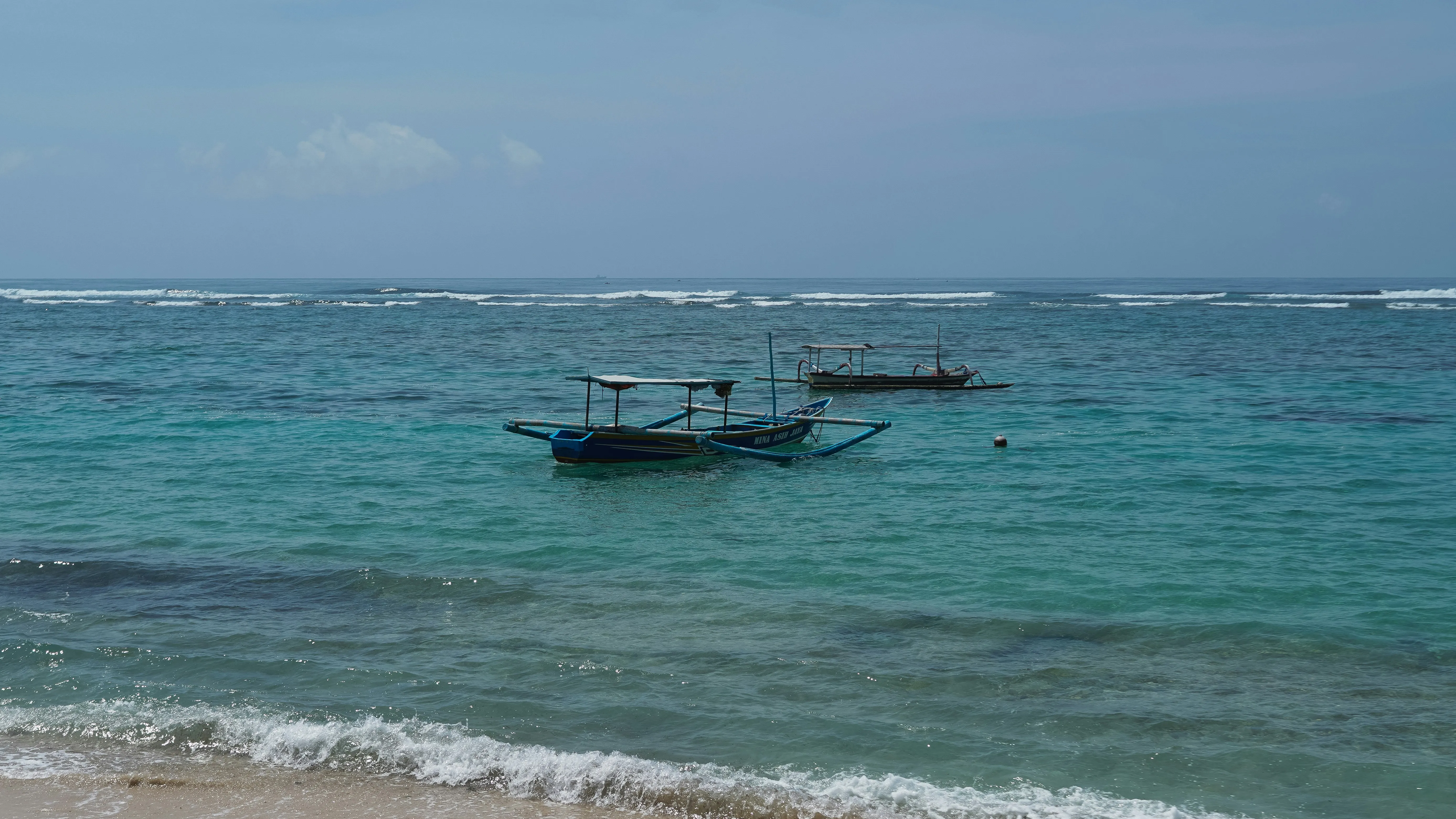
Access to Airport Lefts and Airport Rights is by boat only. There’s no practical way to paddle out from shore, so organizing a boat is essential.
If you’re coming from the Uluwatu or Bukit Peninsula area, we recommend going with Priority SUP Surf Kelan in Jimbaran, which is conveniently located near the airport and regularly runs trips out to the reefs.
For surfers coming from the Kuta or Canggu area, Kuta Reef Boats is a popular option. Alternatively, you can ride your bike and park near Pantai Melisan, where you’ll often find other local boats heading out to the Airport Reefs.
Pro tip: Send a quick WhatsApp message to the boat operators via their Google Business Profile listings before heading out. This helps confirm they’re running that day and avoids any surprises if there’s a local ceremony or reduced operations.
Sharp, sharp reef
Everything here breaks over coral. Sharp coral.
At lower tides, the reef sits close to the surface. Wipeouts equal mean cuts, damaged boards or worse. Even on a good day, the margin for error is slim. This isn't a wave you surf tired or distracted. Full concentration is demanded.
Sensitive… maybe even fickel
Airport Reefs are sensitive to conditions. In general, south and southwest swells work best, light winds or glassy mornings are ideal and mid-to-low tides usually offer the best balance of shape and safety.
Because of the reef depth, tide choice directly affects both wave quality and risk. Many experienced surfers cross-reference swell forecasts with a Bali surf spots map to decide whether the airport zone's worth the effort.
Crowds, but not crazy
Despite being close to Kuta, Airport Reefs often feel less hectic than expected. The combination of boat access, reef difficulty and experience required keeps numbers down.
When conditions are perfect, though, the lineup becomes focused. Everyone's there for a reason. Etiquette, positioning and clear communication matter more here than at most beach breaks.
The Ngurah Rai novelty
It's impossible to ignore at first. Planes pass low overhead, landing and taking off every few minutes. The noise can be intense.
But once you settle into the session, it fades into the background. Your attention shifts to the horizon, the current and the next set. It's a reminder that surfing in Bali isn't always about palm trees and empty beaches... sometimes it's raw reef, infrastructure and adrenaline rolled into one.
Ready to Surf in Bali? Secure Your Spot Now!
Who Airport Reefs are (and aren't) for
Airport Reefs aren't a place to test yourself for the first time on coral. They reward experience, not experimentation.
- They're best suited to intermediate to advanced surfers, strong paddlers comfortable with deep water and surfers familiar with reading complex reef setups
- They're not ideal for beginners, surfers used only to beach breaks or anyone unsure about reef takeoffs and exits
If that sounds like you, there are plenty of other Bali waves better suited to progression. Airport Reefs are a destination for surfers who already know their limits.
FAQ: Surfing Bali's Airport Reefs
Q. Are Airport Reefs part of Kuta Reef?
Kinda. Airport Reefs are generally considered part of the wider Kuta reef system.
Q. Is Airport Rights Bali better than Airport Lefts?
Hard to say. Lefts are longer and faster, Rights are steeper and more technical.
Q. Do I need a boat to surf Airport Reefs?
Most surfers use boats. Shore paddles are possible but demanding and risky.
Q. What tide works best?
Mid tide surfing usually offers the best conditions, depending on swell size.
Q. Are these waves visible from land?
Only partially. While you might catch a glimpse from certain angles, most proper assessment is done from boats or through local knowledge. You can also check surf reports and recent videos shared on Instagram by Priority SUP Surf Kelan, which regularly posts up-to-date conditions from the Airport Reefs.
Q. Are there surf schools at Airport Reefs?
Yes. Surf schools operate here regularly, particularly at Airport Lefts and Toro Toro, which are popular training spots for schools coming from the Kuta and Canggu areas. While still reef breaks, these sections often see a mix of learners and instructors in the lineup.
Q. How does it compare to Kuta Beach surf?
Airport Reefs are more powerful, faster and less forgiving than Kuta's beach breaks.
Q. Is it suitable for short-term visitors?
If you're experienced and conditions align, it can be one of the best sessions of a Bali trip.
Q. Do locals surf here often?
Yes. Many experienced local surfers frequent the reefs when conditions are right.
Q. Should I check a surf report before going?
Absolutely. A reliable Kuta reef surf report and local insight are essential. In addition to standard surf reports, it’s worth checking recent videos and updates on Instagram from local operators like Priority SUP Surf Kelan, which often show real-time conditions at the Airport Reefs.
Final thoughts
Surfing Bali's Airport Reefs isn't about convenience or comfort. It's about timing, confidence and understanding the reef beneath you.
The waves are fast, the consequences are real and the setting's unlike anywhere else in Bali. We don’t surf here heaps, but it’s always worth checking when the conditions align. Stay with us to refine your surfing. You’ll be surfing Bali’s reefs in no time!
More blogs you might like
FAQs
Find answers to your last-minute questions about your upcoming surf adventure with us.
Our packages include accommodation, daily surf lessons, and access to all camp facilities. We also provide surf gear for your convenience. Additional activities can be booked separately.
Travel insurance is highly recommended to cover any unexpected events. It can protect you against cancellations, medical emergencies, and lost belongings. Please check with your provider for specific coverage.
Booking is simple! Visit our Packages & Prices page to select your desired package. You can complete your reservation online or contact us for assistance.
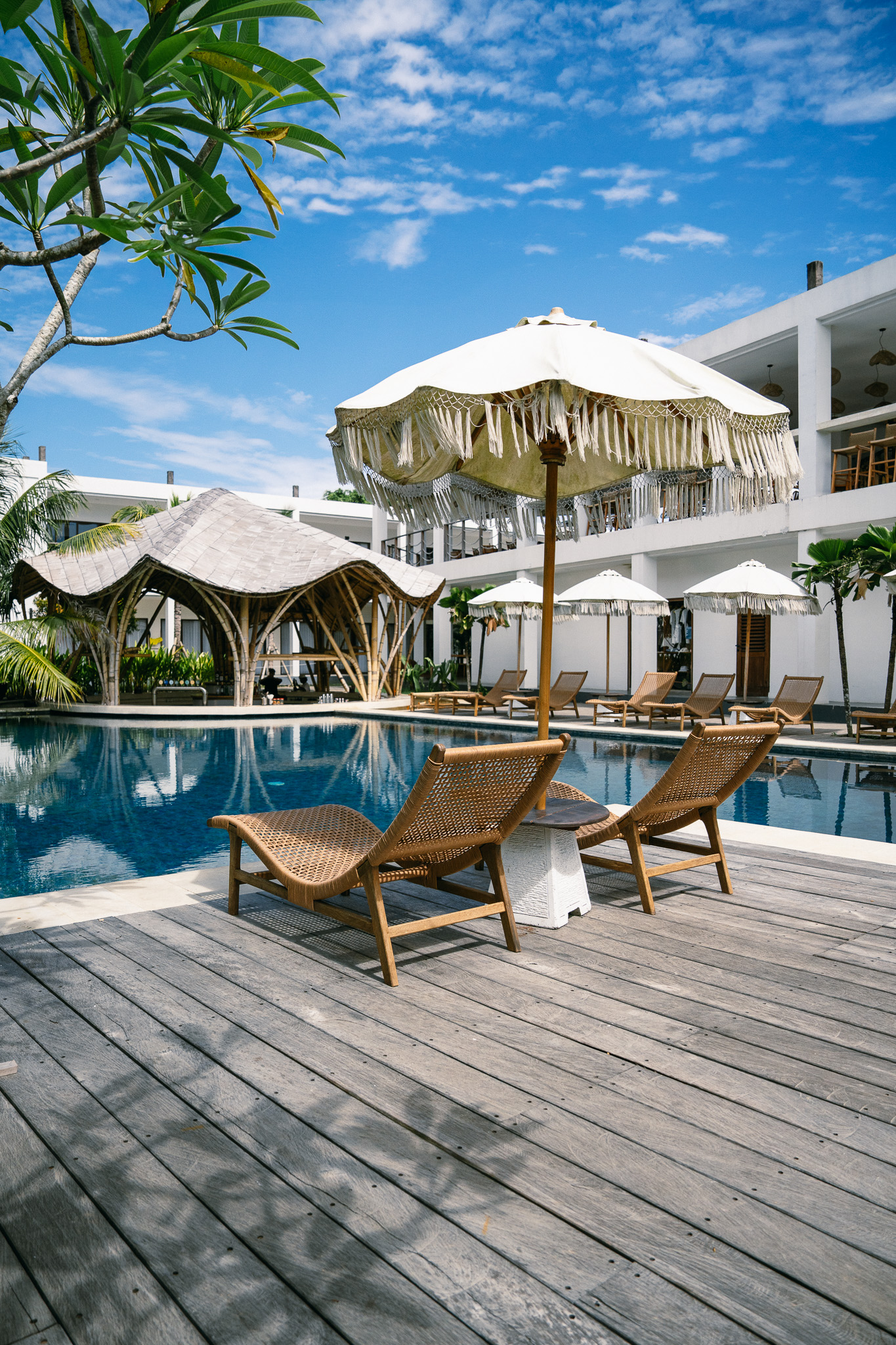
Kala Surf Camp is located in the heart of Bali, close to the best surf spots. Our camp offers a peaceful environment while being just a short distance from vibrant local culture. You'll enjoy easy access to both surf and relaxation.
Yes, date changes can be made depending on availability. Please contact our support team as soon as possible to discuss your options. We aim to accommodate your needs whenever we can.