


The Retro Revival: Why Surfers Are Obsessed with Single Fins and Mid-Lengths Again

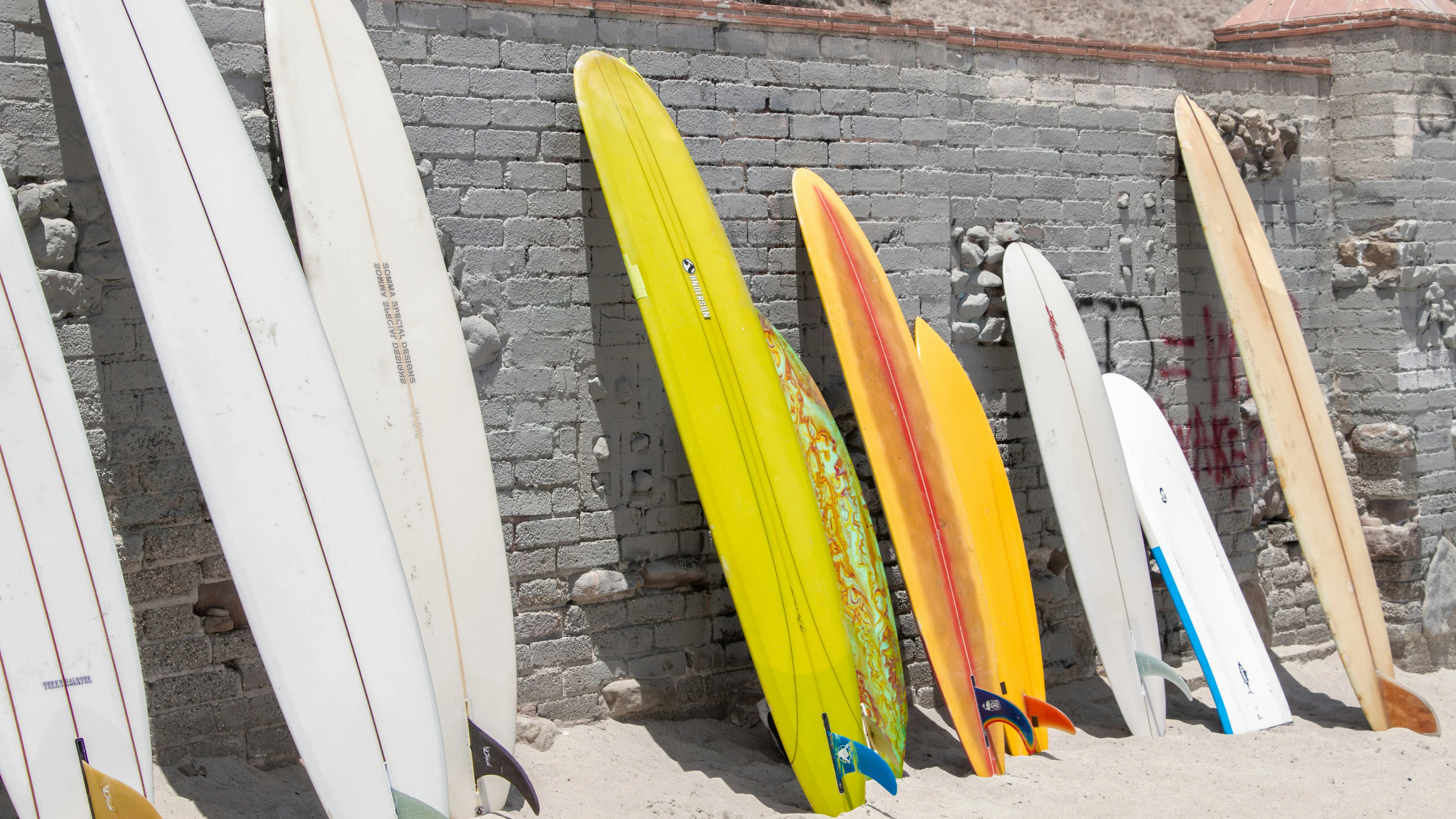
The lineup doesn't look the way it used to 10 years ago.
Sure, there are still plenty of shortboards out there. Performance Ferraris designed for speed and rad turns. But sprinkled through the crowd you'll see longer, fuller-looking boards.
Single fins. Mid-lengths. Old-school shapes. Boards that look more like something a dad or mum would’ve ridden in 1974 than something straight out of a high-performance surf magazine.
This isn't a coincidence. It's a full-on shift in surf culture. And it's been quietly growing for the last few years. But what's driving it? Why are surfers from grommets to seasoned pros suddenly obsessed with riding boards that, on paper, look slower and less exciting than what they used to ride?
And more importantly… should you be paying attention to all this, especially if you're newer to surfing?
Let's get into it.
What is the retro revival?
The "retro revival" is the term people use to describe surfers moving away from ultra-modern, high-performance shortboards and back towards designs that came out of surfing's earlier eras.
The two stars of the show are:
- The single fin: A board with one large fin underneath, drawing on shapes from the 1960s and 70s
- The mid-length: A board sitting between a shortboard and a longboard, typically anywhere from 6'8 to 8'0, often ridden with a single fin or a 2+1 setup
Both have been around forever. Both fell out of fashion when the thruster took over in the 1980s. And both have come roaring back in the last few years as surfers rediscover what they actually offer.
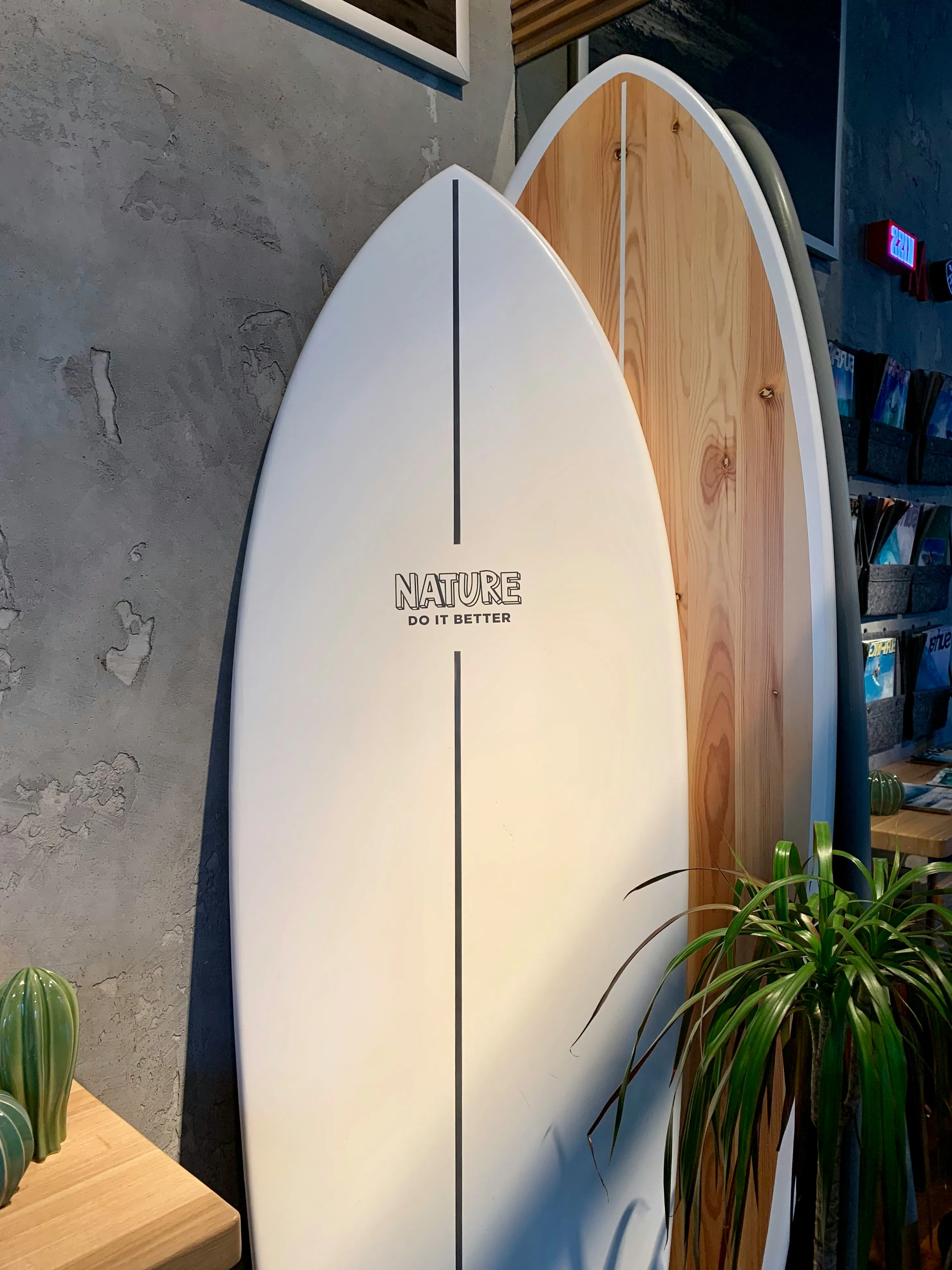
Why are surfers loving these boards?
There's no single reason. It's a mix of things.
They're more fun, more often (this is the BIG one)
Here's the honest truth about high-performance shortboards: they only really shine in great waves.
In small, mushy or average conditions, a shortboard feels sluggish. You paddle hard, miss waves, struggle to generate speed and end up frustrated. Sound familiar? We’ve been there. What’s the point of surfing if it’s not fun.
Single fins and mid-lengths flip that on its head.
They paddle easily, catch waves early and let you actually surf in conditions that would leave a shortboard sitting on the beach. For most surfers, most of the time, the waves are not pumping. These boards turn average days into genuinely good sessions.
One of our favourite quotes in the lineup is: "The best surfer is the one having the most fun." And more often than not, that's the surfer catching the most waves. Simple.
They reward style over thrash
There's been a noticeable shift in surf culture away from the "hack and slash" approach.
Aggressive, choppy turns are giving way to flow, glide and drawn-out carves. Watching someone trim cleanly down the line on a single fin or weave a beautiful arc on a mid-length is genuinely captivating. It looks cool as heck.
Rob Machado put it well in a recent interview: every grom (young surfer) these days should spend some time on a single fin.
There's something about the simplicity of these boards that forces you to surf with feel rather than force.
They connect you to the wave
Modern shortboards are amazing tools, but they can be quite "removed" from the wave.
They sit on top of the water, get pumped down the line and rely on fins and rocker to do a lot of the work (learn more about rocker).
Single fins and mid-lengths do the opposite. They sit in the wave, not on top of it. You feel the energy of the swell. You let the wave do more of the work. The whole experience becomes a bit more meditative, a bit more soulful, a bit more enjoyable.
That feeling is what surfers keep talking about when they say things like "I just love how this board makes me feel".
It's not marketing fluff or corpo talk designed to move more boards. It's a real, tangible difference.
There's a cultural element
Surfing has always had its trends.
The retro revival is partly aesthetic, partly philosophical, partly a reaction to the relentless push for "performance" and yes, if we’re being honest… partly a hangover from hipster culture of the mid 2000s.
Plenty of surfers got tired of paddling out on boards that were too short, too thin and too demanding for the conditions they were actually surfing in.
The retro revival is a collective sigh of relief from people who just wanted to enjoy themselves in the water again.
Ready to Surf in Bali? Secure Your Spot Now!
What this means for beginners
Here's where things get really interesting.
If you're new to surfing, the retro revival is genuinely great news for you. The boards that are trending right now are also some of the most beginner-friendly boards out there.
Mid-lengths are a beginner's best amigo
A mid-length surfboard, particularly one in the longer end of the range (7'6 to 8'0), gives you everything you need as a developing surfer:
- Plenty of paddle power, so you catch more waves
- Stability under your feet, so you can focus on technique rather than balance
- A forgiving outline that's easier to control than a shortboard
- Enough manoeuvrability to start learning how to turn properly
- A natural progression path from foam boards or mini-mals
Single fin boards are super approachable
A single fin on a longboard or mid-length is one of the more forgiving setups going.
- The single large fin gives you stability and predictability
- The board glides easily into waves
- The simplicity of one fin means there's less going on under your feet to think about
- That said, single fins on shorter, narrower boards can require more finesse, so this is one where length really matters
Stick to longer single-fin boards in your early days, then experiment as your surfing develops.
How to dip your toe in
If you're curious about the retro revival, the best thing you can do is just try it.
- Borrow a mid-length from a friend on a smaller day
- Hire one from a local surf shop for a session and see how it feels
- If you're staying with us at Kala, ask our coaches about trying a single fin or mid-length during your stay. We've got plenty of options
- Don't go too short, too soon. Length is your friend, especially early on
Better yet… book a stay with us and talk to our coaches!
You don't need to invest in a new custom board right away. Get a feel for the style first. Once you know what you like, you can dial in your own version of the retro revival.
FAQ
Q. What is a mid-length surfboard?
A surfboard sitting between a shortboard and a longboard, usually 6'8 to 8'0. They have more volume and paddle power than a shortboard but more manoeuvrability than a longboard. Great for cruising, generating speed and catching plenty of waves.
Q. Can a beginner ride a single fin?
Yes, especially on a longer board like a longboard or mid-length. Single fins offer stability and predictability that suit developing surfers. Just keep the board length generous in your early days. That said, if you've surfed fewer than 10 times, we'd generally recommend starting on a foam board first. They're safer, more forgiving, and help reduce the risk of injuring yourself or other surfers while you build confidence and learn the basics.
Q. Are mid-lengths good for small waves?
Yes, brilliant. The extra volume and length help you catch waves that would be difficult or impossible on a shortboard. As a general rule, the bigger the board, the easier it is to generate speed and maintain glide, especially in small, weak surf. That's why mid-lengths are one of the best tools for getting the most out of average conditions and maximizing your wave count.
Q. Will a single fin slow my progression?
Often, the opposite is true. More waves caught equals more practice, which usually leads to faster progression. Single fins also encourage you to surf with feel and proper technique rather than relying on the board to do all the work. Because they generate and carry speed so well, they require a more thoughtful approach to turning, helping you develop smoother lines, better timing, and stronger fundamentals that will benefit your surfing on any board in the future.
Q. What's the difference between a longboard and a mid-length?
Longboards typically start around 9 feet and are designed for noseriding and classic flowing surfing. Mid-lengths are shorter (6'8 to 8'0) and more manoeuvrable, but still glide and paddle far better than a shortboard. Many surfers see mid-lengths as the perfect middle ground.
Q. Is the retro revival just a trend?
It's been growing steadily for years now and shows no sign of slowing down. More than a trend, it represents surfers rediscovering boards that work brilliantly in everyday conditions. These designs aren't going anywhere.
Q. What size mid-length is best?
The right size depends on your weight, fitness level and surfing experience. As a general guide, beginners often do well on boards between 7'6 and 8'0, while intermediate surfers may prefer something between 6'8 and 7'6. When in doubt, go a little bigger. More foam usually means more waves, faster progression and more fun.
Q. Are mid-lengths and longboards good for Bali?
It depends. You'll definitely see plenty of mid-lengths and longboards in Bali, especially on smaller days at Uluwatu, Bingin and other mellower breaks around the island. However, many of Uluwatu's famous waves are powerful reef breaks that naturally favour shortboards, particularly as the swell size increases. A mid-length can be an incredible option on shoulder-high days, but once the waves get bigger and more critical, most surfers tend to reach for a performance shortboard or step-up. Ultimately, the best board for Bali depends on the conditions, the break and your surfing ability.
Q. What's the difference between a single fin and a thruster?
A single fin has one large fin, while a thruster uses three fins. Single fins are known for glide, flow and drawn-out turns, whereas thrusters provide more grip, release and responsiveness for tighter, more aggressive surfing. Neither is necessarily better than the other; they simply offer different surfing experiences. If you'd like to dive deeper, we've put together an entire article on surfboard fin setups that breaks down the pros, cons and feel of each configuration.
H2: Final word
The retro revival is one of the best things to happen to surfing in a long time.
It's broadened the conversation about what makes a good surfboard. And if you're just starting out, this is honestly the best era to be learning in. Trust us. You've got more board options, more shapes and more ways to find your style than any previous generation of surfers.
More blogs you might like
FAQs
Find answers to your last-minute questions about your upcoming surf adventure with us.
Our packages include accommodation, daily surf lessons, and access to all camp facilities. We also provide surf gear for your convenience. Additional activities can be booked separately.
Travel insurance is highly recommended to cover any unexpected events. It can protect you against cancellations, medical emergencies, and lost belongings. Please check with your provider for specific coverage.
Booking is simple! Visit our Packages & Prices page to select your desired package. You can complete your reservation online or contact us for assistance.
Kala Surf Camp is located in the heart of Bali, close to the best surf spots. Our camp offers a peaceful environment while being just a short distance from vibrant local culture. You'll enjoy easy access to both surf and relaxation.
Yes, date changes can be made depending on availability. Please contact our support team as soon as possible to discuss your options. We aim to accommodate your needs whenever we can.