


The Wild History of G-Land: How a Tiger-Infested Jungle Became the World's Most Famous Left

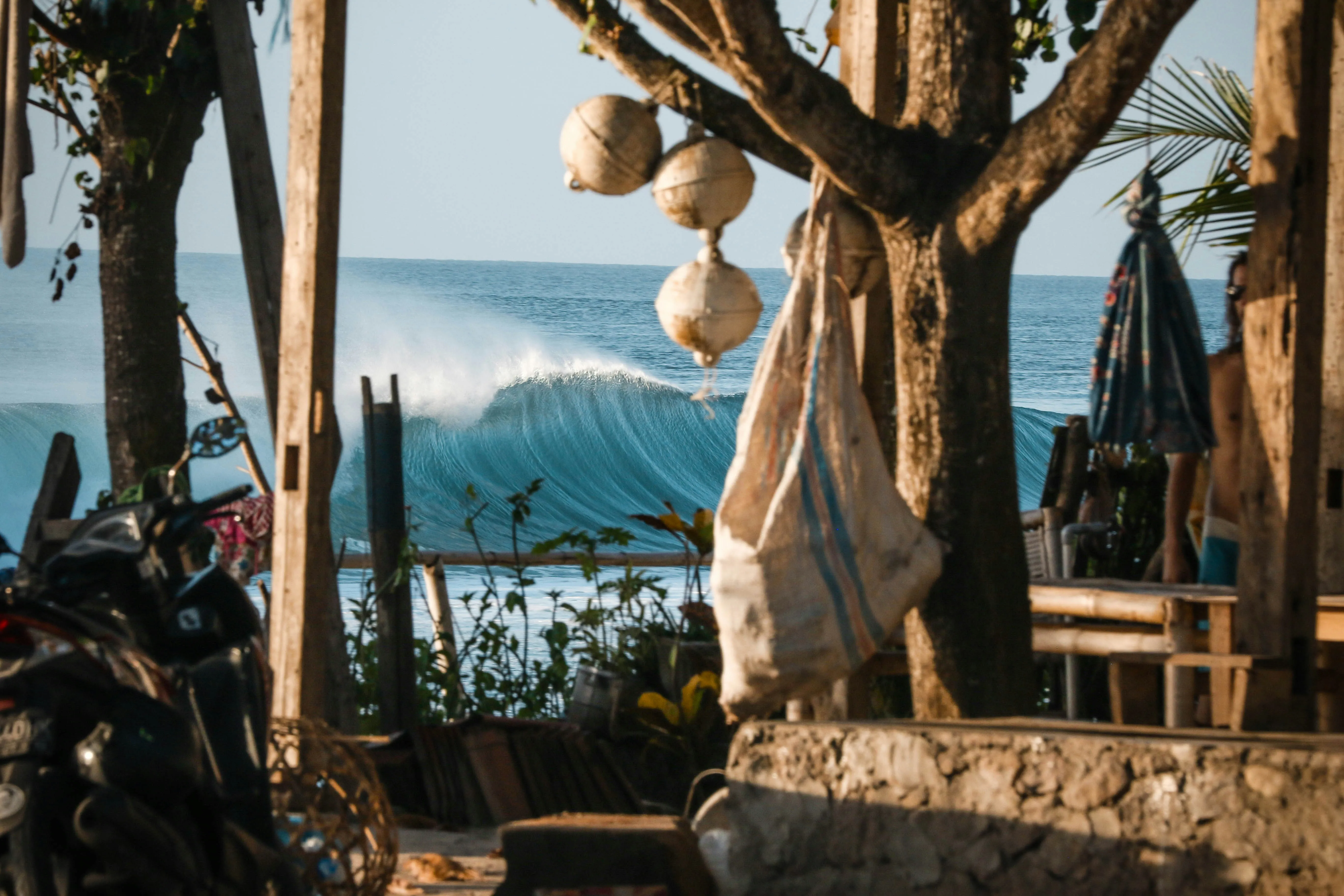
Ask any surfer who's done time in Indonesia to name the wave that haunts their dreams and there's a good chance they'll utter these words…
G-Land.
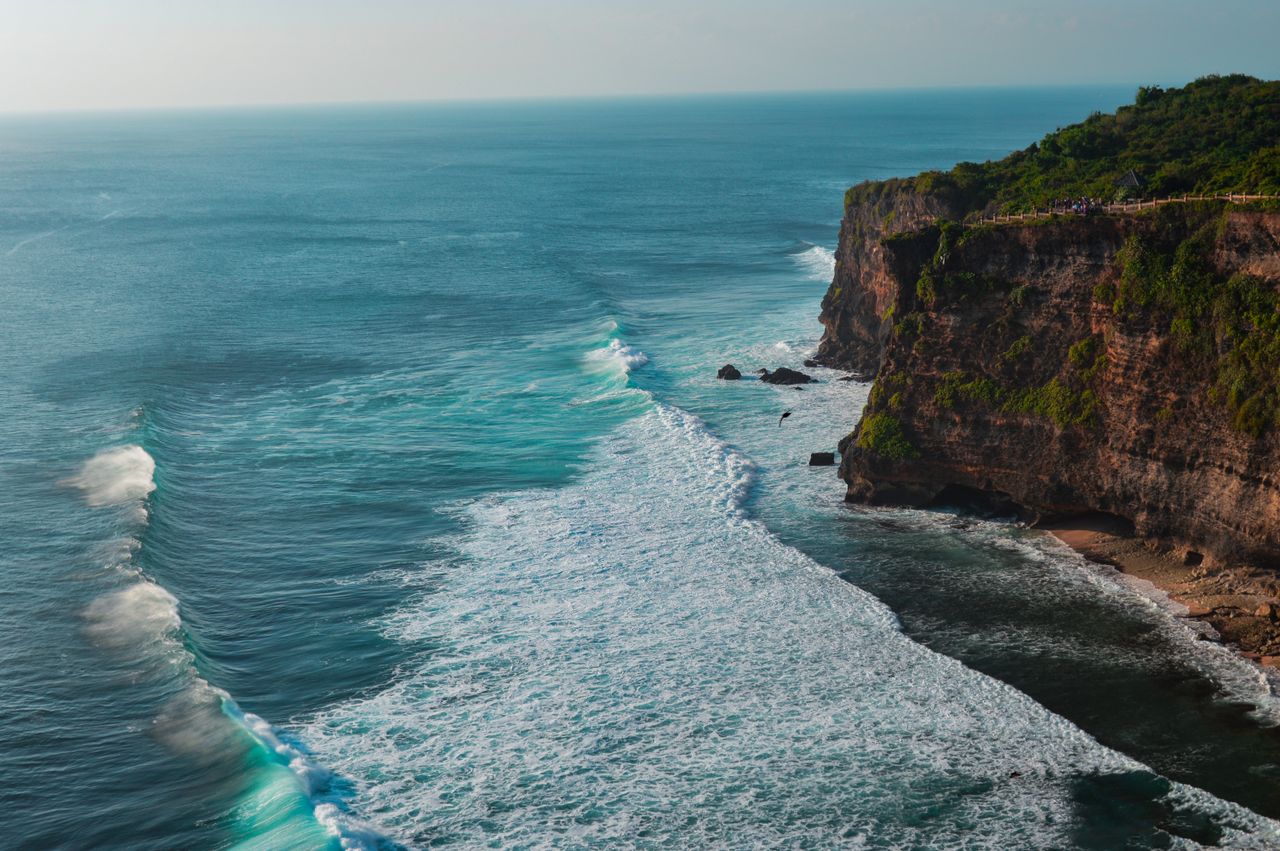
It's the long, walling left-hander that breaks along a kilometre of coral reef on the edge of the East Javan jungle. One of the best waves on the planet (and one of the heaviest).
This isn't a wave most people will ever surf… and that's part of the legend.
But the story of how it got found is wilder than the wave itself. A wave spotted from a plane. A first trip that nearly didn't come back. A death days later. And a smuggler with a treehouse and a plan.
So pour a coffee, crack a beer or ready your vino. Here's how it all started.
Who discovered G-Land?
Back in 1972 a young Californian surfer named Bob Laverty was on a flight from Jakarta to Bali. Staring out the window over the southeast tip of Java, he looked down on something that didn't seem real. Row after row of perfect lines marching down a point into a massive blue bay.
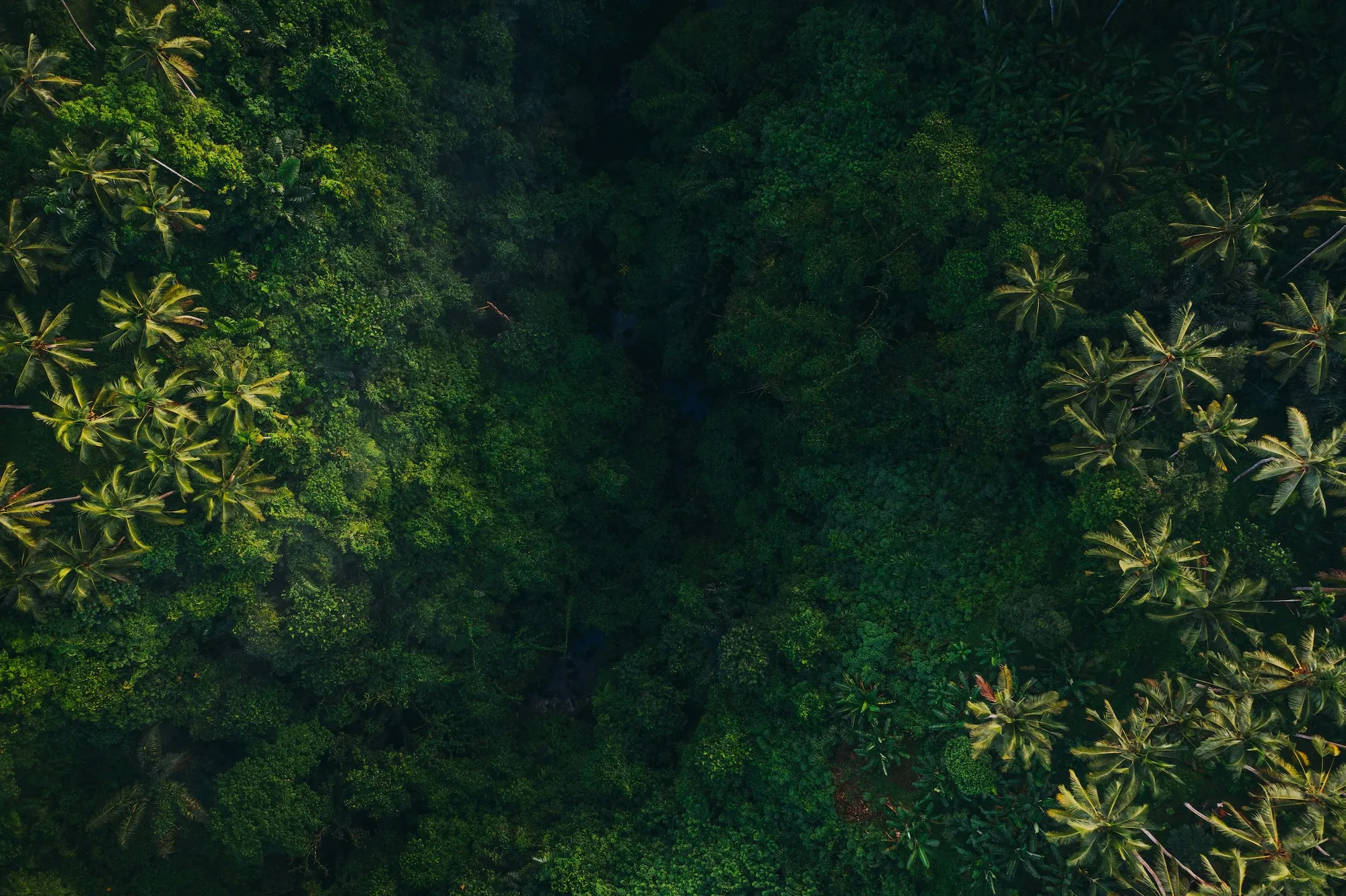
The bay was called Grajagan. The jungle was Alas Purwo, an all but abandoned reserve the local Javanese treated as sacred ground. The name means First Forest. Followers of Kebatinan, a Javanese mystical tradition, hold that this is the place where the earth first rose out of the sea. Which is a strange thing to be told when you've just spotted a wave doing exactly that.
A place, they said, that was never meant for men. Let alone crusty surfers.
But Laverty didn't care about the spirits. He got his hands on a British Admiralty chart, found the bay and went looking for someone crazy enough to come with him.
How the first surfers got to G-Land
He found his man in Bill Boyum, an American surfer living in Bali.
The two loaded up motorbikes with boards and supplies, ferried across the Bali Strait and made their way to the fishing village of Grajagan. From there a local boatman took them as far as he dared into the bay, then dumped them on the sand well short of the wave.
The boatman wanted nothing to do with that jungle. So they walked. Pushed their bikes along the hard low tide sand until the sand ran out, then ditched the bikes and went on foot.
Night fell before they reached the surf.
They slept on the beach by a sliver of moonlight, in a jungle that screeched and scratched and howled all night. At some point they heard a roar. Whether it was a Javan tiger is anyone's guess, and by 1972 there were almost none left. But at two in the morning, in the dark, in a forest the locals wouldn't enter, it was a tiger. They spent the rest of the night taking shifts with spears they'd sharpened from driftwood.
And the tiger stuck. Walk through the camps at G-Land today and they're everywhere. Carved wooden tigers on the terraces, stuffed ones propped up in the lodges, tigers on the signage. There hasn't been a confirmed Javan tiger in fifty years and nobody at G-Land has ever quite let go of the idea. One of the waves down the bay is called Tiger Tracks. That's not an accident.
At sunrise they got their reward. Perfect, empty, six to eight foot waves breaking down the reef with not another soul for miles.
They surfed for three days straight until they ran out of water.
The wave got its name later, and not at the wave. They limped back into Bali and went straight to Kuta, where they found Bill's brother Mike and told the story over dinner. Somewhere in that night, "Plengkung" and "Grajagan" turned into the more English friendly, more mythic sounding "G-Land." Which is why the name has never quite matched the map. The wave breaks off a point the locals call Plengkung, a fair way from Grajagan itself. It's named after a dinner conversation.
Ready to Surf in Bali? Secure Your Spot Now!
What happened to Bob Laverty?
Here's where the legend turns dark.
Just days after that first session, Bob Laverty suffered an epileptic seizure while surfing Uluwatu and drowned in the rock pools. His friends found his board floating in a tide pool, pulled it toward them, and felt the weight on the other end. They dragged him onto the rocks and took turns giving him CPR. It didn't work. He never got to see what his discovery would become.
To this day some of the local villagers reckon the jungle took him as payment for trespassing on sacred ground. A tale that only fuels the myth of G-Land.
Who built the world's first surf camp?
Bill's brother Mike Boyum had a different relationship with the place.
Mike was a hash oil smuggler who happened to surf, and by every account a spectacular talker. He saw the business in those waves and wanted to lock it down before the crowds arrived.
He tried a floating camp first. A beat up fishing boat that could make the run from Kuta in about four hours on a good day. And on a bad day? Well… you don't want to know.
The boat idea sank fast. So they went back to an idea Bill had been chewing on since that first night in the jungle: build the camp up in the trees.
In the mid-1970s they finished the first treehouse. A 15 by 15 foot thatched roof, bamboo sided hut raised 20 feet off the ground so the tigers, cobras and tusked wild pigs couldn't reach anyone sleeping.
Underneath sat a kitchen of three single burner stoves and a 50 pound sack of rice. All of it duct taped shut each night, and still regularly trashed by the animals.
The surfers learned to sleep through nature's chaos. The one sound that woke them was silence, because silence meant the tigers were close.
By 1977 Mike had registered the whole thing as the Blambangan Surfing Club, taking week long bookings, ten surfers at a time, two hundred dollars a head. That's the moment the surf camp stopped being a hideout and became a business.
That treehouse is widely credited as the start of the surf camp concept. The model that's since spread to every coastline on earth, ours in Uluwatu included.
For a few golden years G-Land belonged to a tiny crew.
Gerry Lopez practically made it a second home, writing dreamy features for the magazines from his treehouse perch. He and Aussie Peter "Grubby" McCabe would weave down the reef on the same wave, which Lopez called their Blue Angels act.
Lopez later called it a surfing monastery, and said they probably just shouldn't have told anyone. There's a great long-form telling of the whole saga if you want to go deeper down the rabbit hole.
How G-Land became famous
Word got out, of course. It always does.
In the late 70s a Balinese surfer named Bobby Radiasa took over the original operation. Renamed Bobby's Surf Camp, it's still running today and stands as the longest running surf camp in the sport's history.
In 1981 Surfing magazine listed G-Land among the ten best waves in the world, and that was that. The gold rush started. More camps opened. Daily boat shuttles started running from Bali. Before long there could be a hundred surfers in the lineup.
The wave earned its competitive crown too. In 1995 the world tour rolled in and Kelly Slater won the inaugural event in flawless six to eight foot surf. More titles and contests followed, cementing G-Land's place in the record books.
Mike Boyum never saw much of it. He'd moved on to smuggling at scale, got arrested, was extradited to California and served his time. In 1989 he died at Cloud 9 in the Philippines, on the 43rd day of a fast, at another perfect wave in another jungle. The man who invented the surf camp died alone in one.
What is G-Land like today?
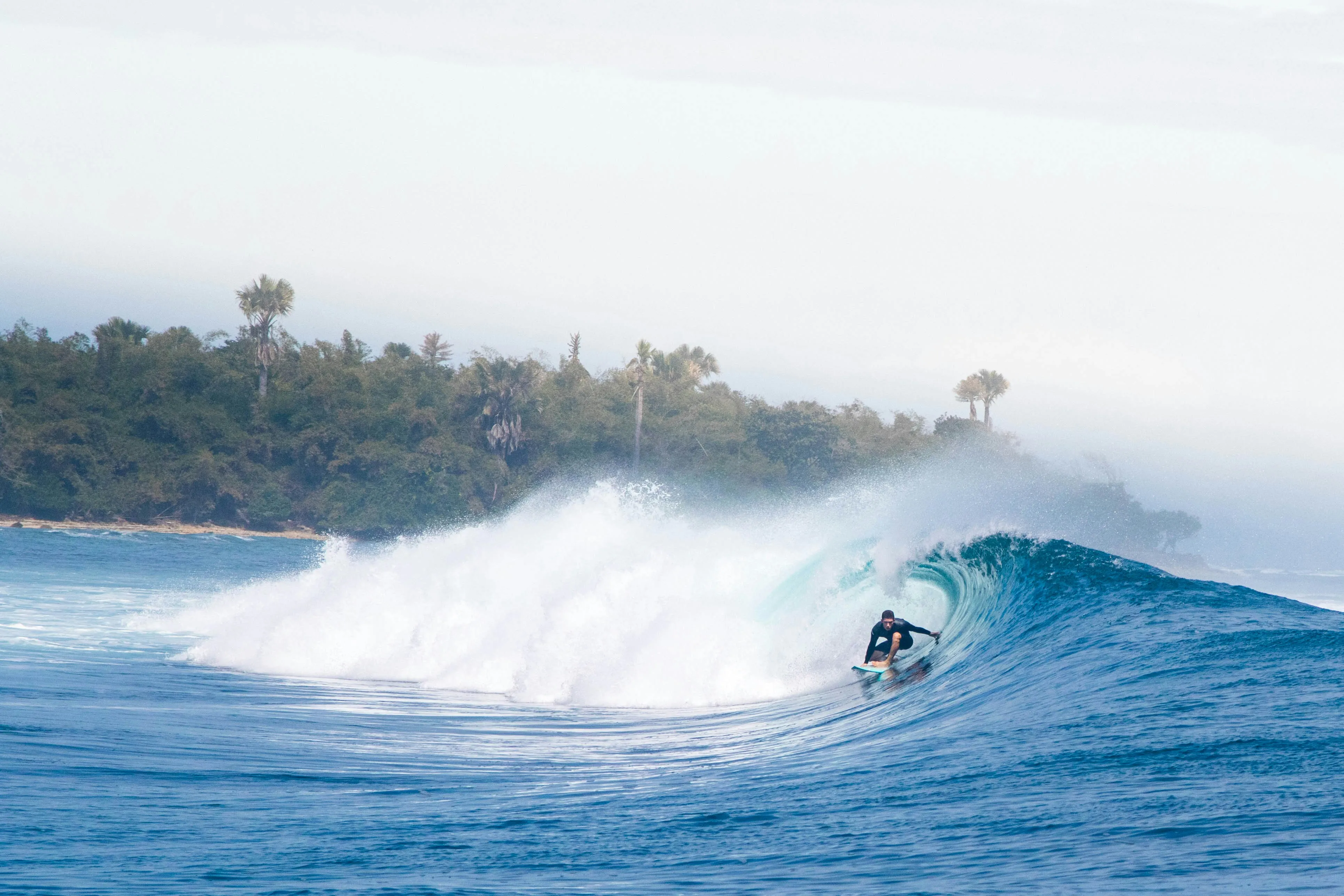
Strip away the legend and the wave still delivers.
G-Land breaks best in the dry season from roughly April to October, when the offshore trades groom it into those long, hollow tubes.
It's split into five named sections. The Bombie sitting outside, Kongs up the top, the long barrelling Money Trees through the middle, Launching Pads feeding into Speedies down the line. Speedies is the fastest, heaviest part of the reef and the one that's handed out the most beatings.
We'll level with you.
G-Land is a wave for experienced surfers who know how to handle a fast, shallow reef. It's not a spot you cut your teeth on. But that's exactly why it's worth knowing about.
Every surfer who comes through Uluwatu eventually hears the name. And now you know the story behind it. Put in the seasons, get your reef hours up and figure out where you really sit as a surfer.
Maybe one day that boat ride from Bali has your name on it. Until then, we'll keep the good waves pumping for you a little closer to home.
More blogs you might like
FAQs
Find answers to your last-minute questions about your upcoming surf adventure with us.
Our packages include accommodation, daily surf lessons, and access to all camp facilities. We also provide surf gear for your convenience. Additional activities can be booked separately.
Travel insurance is highly recommended to cover any unexpected events. It can protect you against cancellations, medical emergencies, and lost belongings. Please check with your provider for specific coverage.
Booking is simple! Visit our Packages & Prices page to select your desired package. You can complete your reservation online or contact us for assistance.
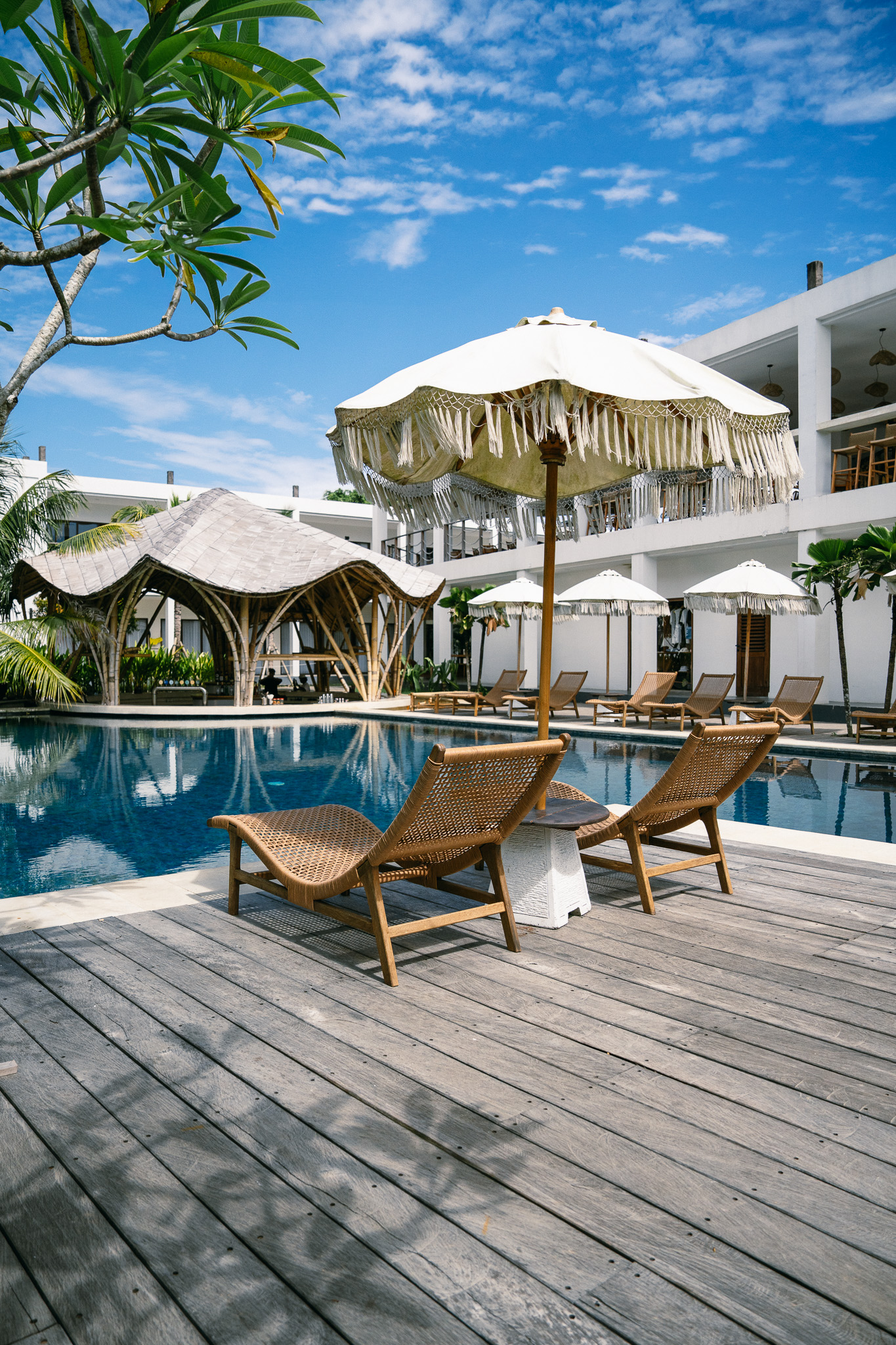
Kala Surf Camp is located in the heart of Bali, close to the best surf spots. Our camp offers a peaceful environment while being just a short distance from vibrant local culture. You'll enjoy easy access to both surf and relaxation.
Yes, date changes can be made depending on availability. Please contact our support team as soon as possible to discuss your options. We aim to accommodate your needs whenever we can.