


A Tourist's Guide to Ramadan in Bali, Indonesia

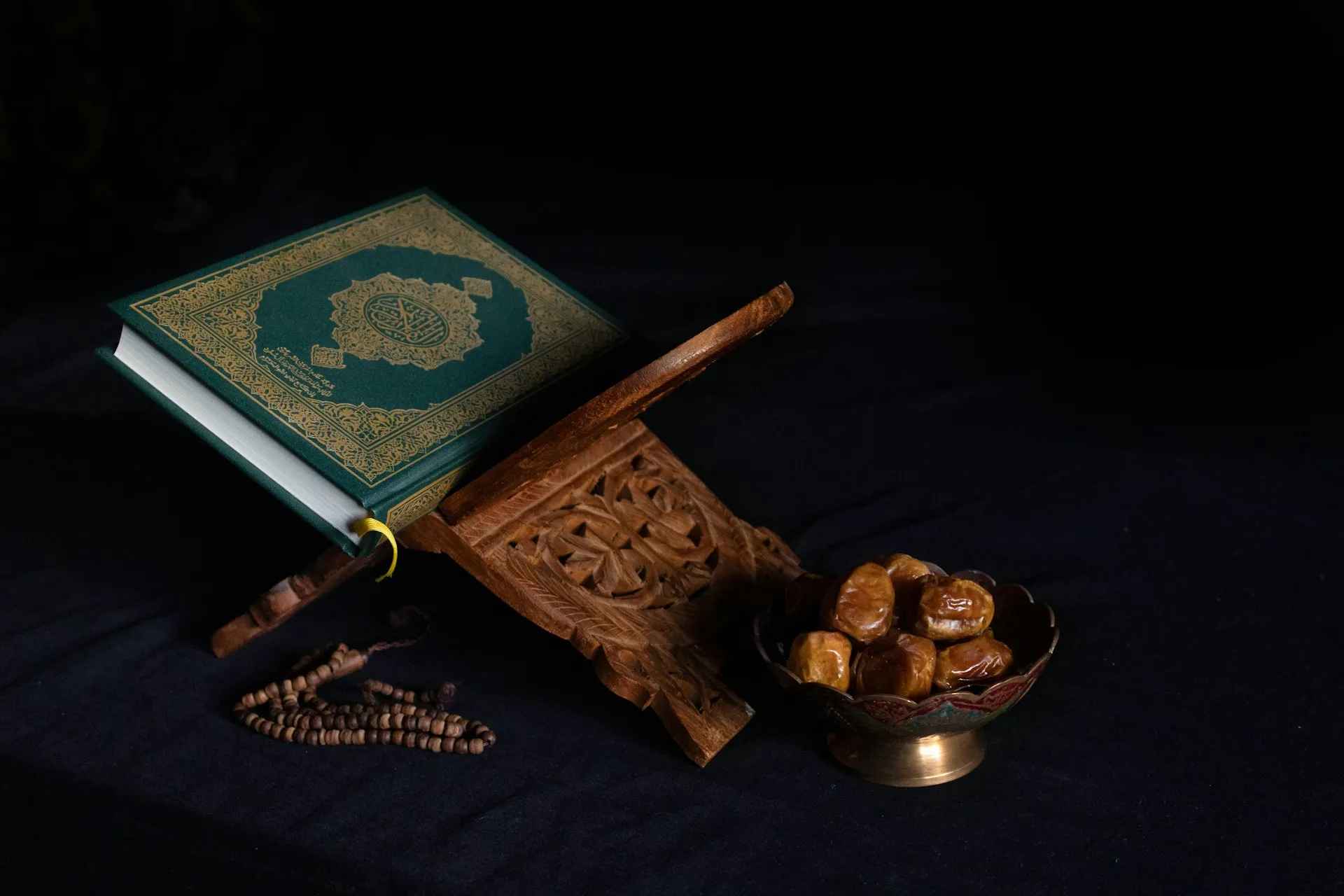
Ramadan is one of the most special times of the year to visit Indonesia. We absolutely rate it. Big time.
When staying with us, you’ll notice subtle changes to daily life with restaurants adjusting their opening hours, evening streets becoming busier around sunset and many locals fasting during daylight hours.
This is all despite the fact that Bali is predominantly Hindu! The island is still home to a significant Muslim community. And Indonesia itself is the world’s largest Muslim-majority country.
For you, Ramadan offers an opportunity to better understand Indonesia’s cultural and religious diversity.
What does Ramadan celebrate?
Ramadan is a sacred month in Islam that commemorates the period when the Quran was first revealed to the Prophet Muhammad.
During this month, Muslims focus on spiritual reflection, self-discipline and charitable acts. One of the most visible aspects of Ramadan is fasting from sunrise to sunset. This daily fast includes abstaining from:
- Food and drink
- Smoking
- Other physical indulgences
Fasting is intended to encourage patience, gratitude and mindfulness. It’s also a time when many Muslims strengthen their connection to faith through prayer, charity and community gatherings.
Although fasting is a central practice, certain people are exempt, including young children, the elderly, travelers, pregnant women and those with medical conditions.
When does Ramadan occur?
Ramadan follows the Islamic lunar calendar, so it shifts earlier by about 10 to 11 days every year. It lasts either 29 or 30 days, depending on the moon cycle.
At the end of the month comes Eid al-Fitr (or Lebaran as it’s known in Bahasa Indonesian). It’s one of the biggest holidays of the year, with people traveling across the country to celebrate with family.
Fasting and daily life
During Ramadan, practising Muslims fast each day from dawn until sunset. The daily routine typically follows this pattern:
- Suhoor (Sahur): The pre-dawn meal eaten before the fasting day begins
- Fasting during the day: From sunrise to sunset, Muslims avoid food and drink while continuing their normal daily activities
- Iftar: The meal that breaks the fast at sunset. This is often shared with family, friends or the wider community
- Evening prayers: Special prayers called Tarawih take place at mosques during Ramadan nights
You’ll start to notice this flow if you spend a bit of time outside the main tourist bubble… or even just chatting with locals.
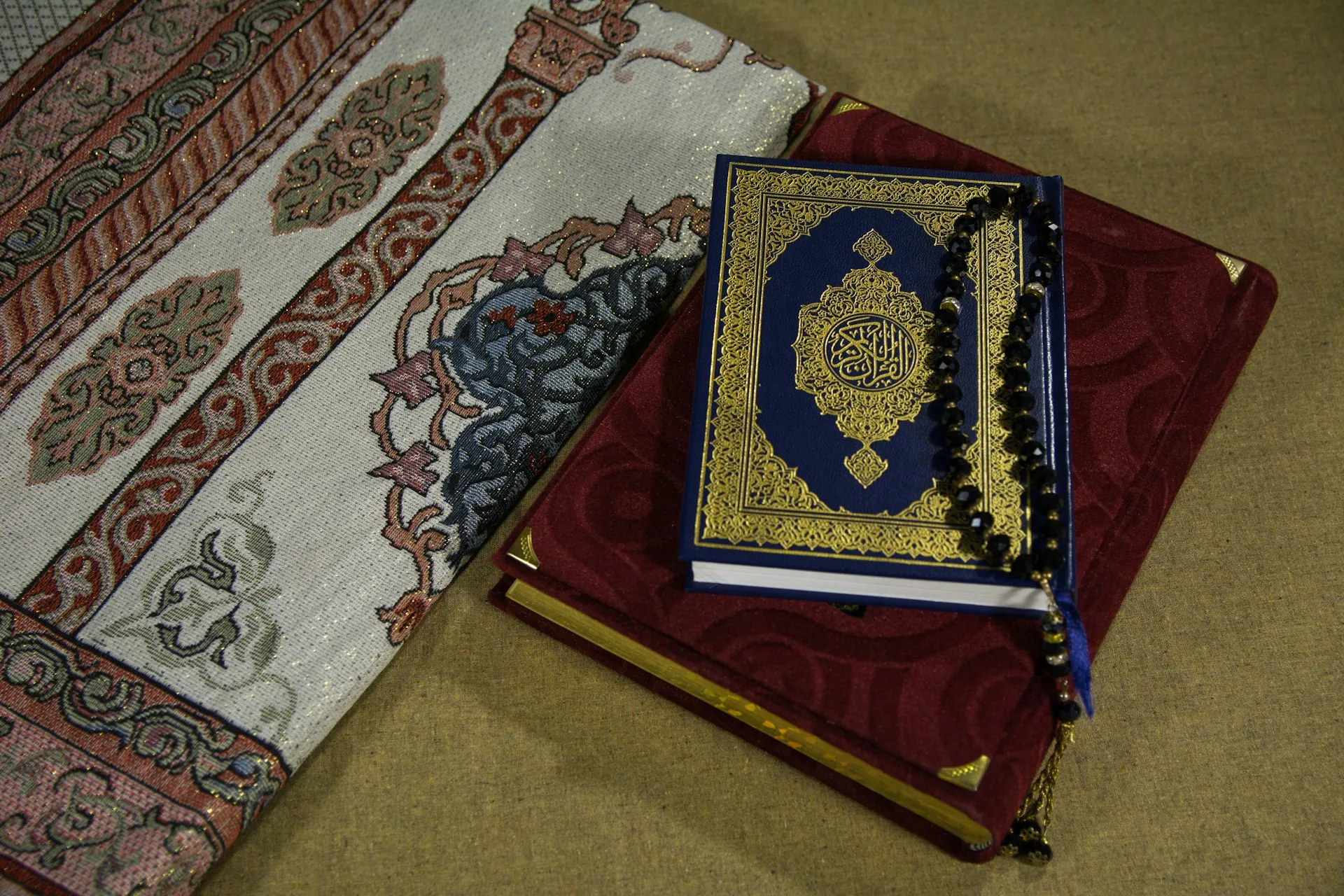
Ramadan in Bali
Bali is mostly Hindu, so if you’re looking for a more traditional Ramadan experience, you’re better off heading to Lombok, Java, or Sumbawa.
But it’s definitely worth visiting, whether you’re coming as a group or experiencing Bali as a solo traveler.
Around sunset, especially near mosques, you’ll see things pick up. Streets get busier, food stalls pop up and there’s a real sense of community as people prepare to break their fast.
These food stalls are often called takjil stalls. Take it from us, they’re well worth checking out if you want to try something local.
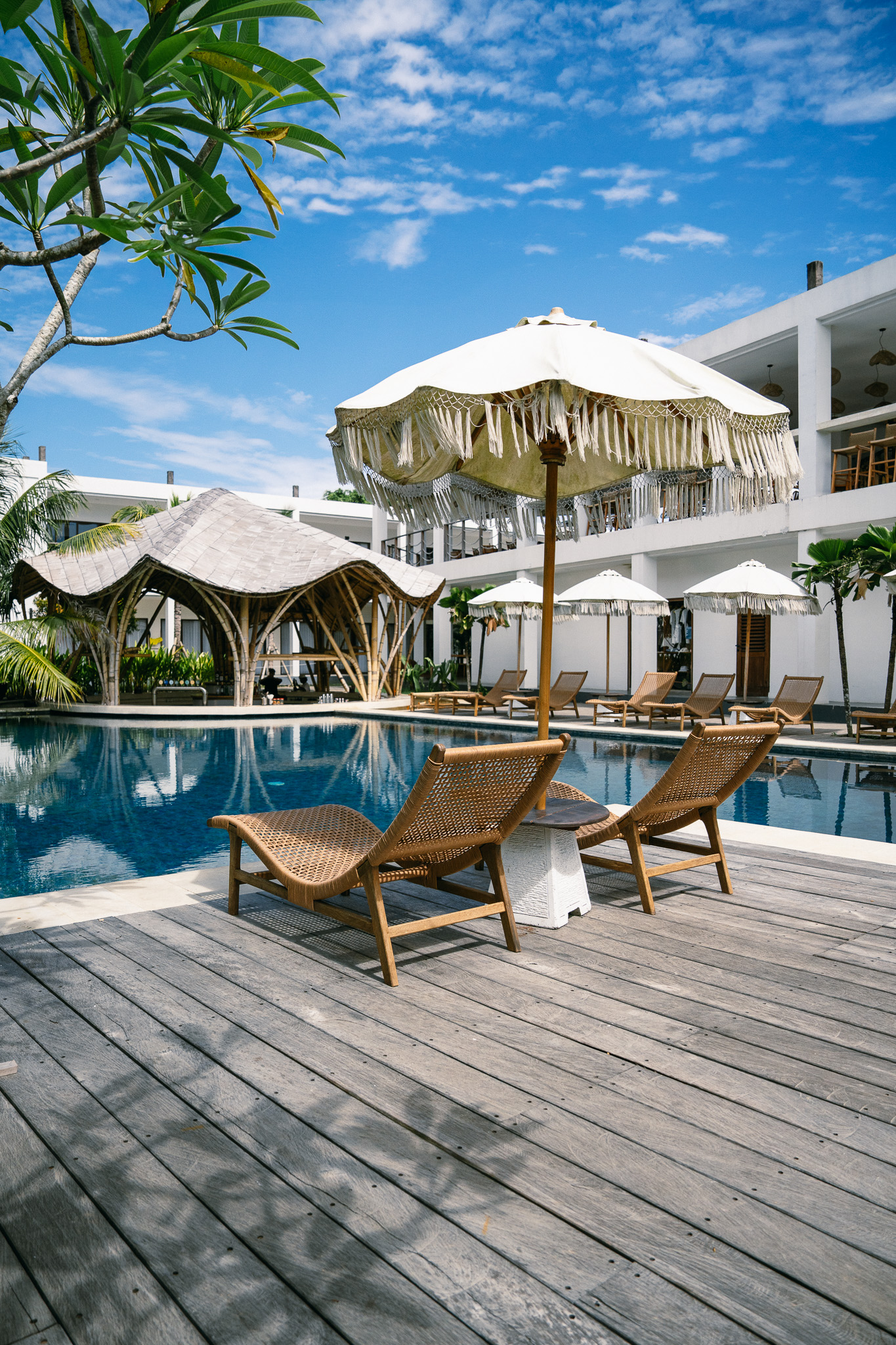
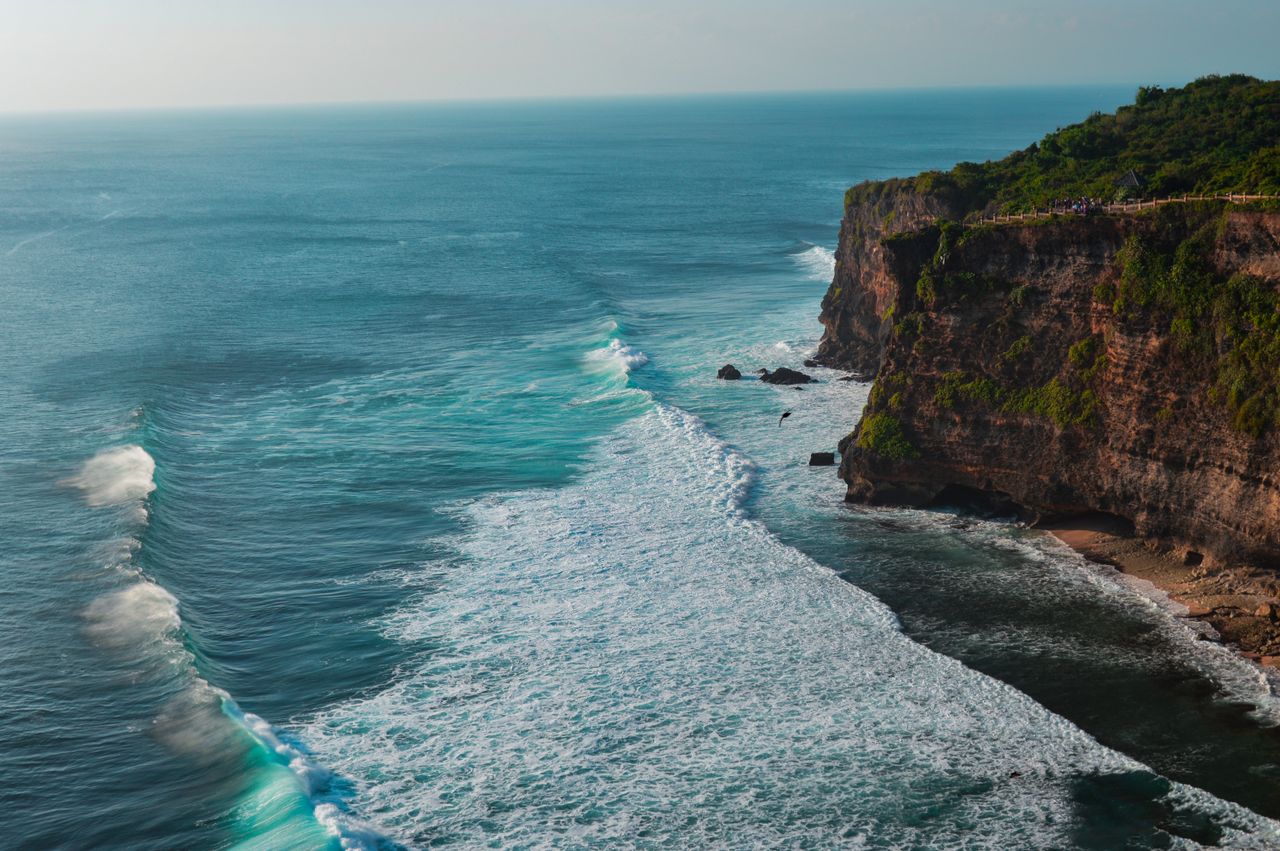
If you’re based around Uluwatu and staying with us at Kala Surf, you’ll still find your usual cafés and beach spots open. But step slightly off the main strip and you’ll quickly see how Ramadan is in full swing.
Food and iftar traditions
Breaking the fast at sunset is an important moment each day during Ramadan.
The meal often begins with sweet foods or drinks, traditionally dates and water, before moving on to larger dishes.
Common foods served during iftar in Indonesia include:
- Kolak: a sweet dessert made from bananas, coconut milk and palm sugar
- Gorengan: fried snacks such as tofu, tempeh or fritters
- Rice dishes served with vegetables and meat
- Soup-based meals such as soto
A lot of families gather at home, but plenty of restaurants also run iftar specials or buffets.
Around Uluwatu, you’ll also find plenty of 24-hour options on Gojek if you’d rather keep it simple and order in to break your fast.
If you’re around Kala Surf in the evening, it’s a great time to head out, explore and maaaybe even squeeze in a post-surf snack around sunset.
Visiting Bali during Ramadan
Traveling in Bali during Ramadan is generally straightforward. Most tourist services continue to operate normally. However, there are a few important things to note:
- Some local restaurants may open later
- Daytime can feel a bit quieter
- Evenings are livelier, especially around sunset
- Tourist hubs like Uluwatu, Canggu, Seminyak and Ubud run as usual
Ready to Surf in Bali? Secure Your Spot Now!
Eid al-Fitr in Indonesia
The end of Ramadan is marked by Eid al-Fitr, known locally as Lebaran.
This holiday celebrates the completion of the fasting month and is one of the most important events in Indonesia’s calendar. During Lebaran:
- Families gather for large meals
- People visit relatives and neighbours
- Traditional sweets and dishes are shared
- Many Indonesians travel back to their hometowns
This annual travel period, known as mudik, is one of the largest population movements in Indonesia each year. This can make domestic travel kinda hectic, so plan ahead!
FAQ: Ramadan in Bali and Indonesia
Q. What is Ramadan?
Ramadan is a sacred month in Islam when Muslims fast from sunrise to sunset while focusing on prayer, reflection and charity.
Q. Do restaurants close during Ramadan in Bali?
Most restaurants in Bali remain open, particularly in tourist areas. Some local eateries may adjust their hours. Bali and, in particular, Uluwatu temples maintain their regular opening times.
Q. Can tourists eat and drink during the day?
Yes. Visitors are not required to fast, though it is respectful to be mindful in areas where locals are fasting.
Q. What is Nyepi?
Nyepi isn’t related to Islam. It’s a Hindu holiday, also known as Bali’s “Day of Silence”. If you’re curious, we’ve put together a full breakdown in our guide to Nyepi in Bali.
Q. What is iftar?
Iftar is the evening meal eaten at sunset to break the daily fast during Ramadan.
Q. What is suhoor?
Suhoor (or sahur) is the pre-dawn meal eaten before fasting begins each day.
Q. What is Lebaran?
Lebaran is the Indonesian name for Eid al-Fitr. It’s the celebration that marks the end of Ramadan.
Q. Is Bali busy during Ramadan?
Tourism continues as normal in most areas, though daytime may feel quieter and evenings livelier.
Final thoughts
Ramadan is a deeply meaningful time for Muslims across Indonesia. It’s a month dedicated to reflection, generosity and community. You can really feel that when you’re here.
Even in Bali, where Hindu traditions dominate, the holy month is still observed by local Muslim communities. And traveling during this time should be seen as a privilege, not an inconvenience.
And if you’re based with Kala Surf, you’re in the perfect spot to take it all in Surf in the mornings. Explore in the afternoons. Head out at sunset to see Bali shift into a whole new energy!
More blogs you might like
FAQs
Find answers to your last-minute questions about your upcoming surf adventure with us.
Our packages include accommodation, daily surf lessons, and access to all camp facilities. We also provide surf gear for your convenience. Additional activities can be booked separately.
Travel insurance is highly recommended to cover any unexpected events. It can protect you against cancellations, medical emergencies, and lost belongings. Please check with your provider for specific coverage.
Booking is simple! Visit our Packages & Prices page to select your desired package. You can complete your reservation online or contact us for assistance.
Kala Surf Camp is located in the heart of Bali, close to the best surf spots. Our camp offers a peaceful environment while being just a short distance from vibrant local culture. You'll enjoy easy access to both surf and relaxation.
Yes, date changes can be made depending on availability. Please contact our support team as soon as possible to discuss your options. We aim to accommodate your needs whenever we can.